


| 7,000 FEET ABOVE SEA LEVEL |
| HISTORY OF FLAGSTAFF, ARIZONA In 1855 Samuel Clark Hudson had been a surveyor for building the Santa Fe Railroad through Colorado, New Mexico and Arizona. Out by themselves with a team and a wagon on the 4th of July, he and his partner decided to climb a tall pine tree nearby and tying a flag to the top then trimming off the branches as they came down. A few days later the other crews came along and were surprised to find an American flag flying high. The railroad built a town nearby, and the name of it is Flagstaff, Arizona. The first permanent settlement was in 1876, when Thomas F. McMillan built a cabin at the base of Mars Hill on the west side of town. During the 1880s, Flagstaff began to grow, opening its first post office and attracting the railroad industry. The early economy was based on timber, sheep, and cattle. By 1886, Flagstaff was the largest city on the railroad line between Albuquerque and the west coast of the United States. A circa 1900 diary entry by journalist Sharlot Hall described the houses in the city at the time as a "third rate mining camp", with unkempt air and high prices of available goods. In 1894, Massachusetts astronomer Percival Lowell hired A. E. Douglass to scout an ideal site for a new observatory. Douglass, impressed by Flagstaff's elevation, named it as an ideal location for the now famous Lowell Observatory, saying: "other things being equal, the higher we can get the better". Two years later, the specially designed 24-inch Clark telescope that Lowell had ordered was installed. In 1930, Pluto was discovered using one of the observatory's telescopes. In 1955 the U.S. Naval Observatory joined the growing astronomical presence, and established the United States Naval Observatory Flagstaff Station, where Pluto's satellite, Charon, was discovered in 1978. |

| All rights reserved. |


| MORE ARIZONA LINKS! |
| FLAGSTAFF ARIZONA |
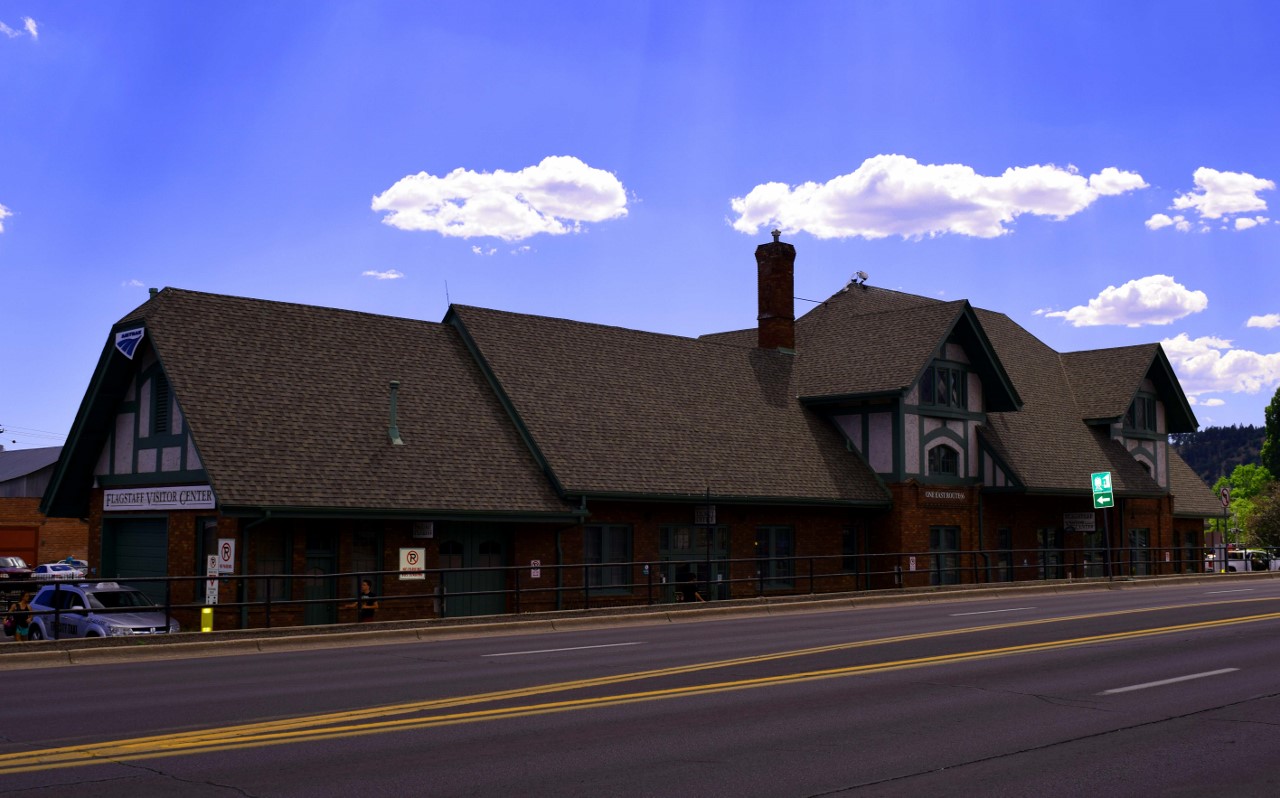
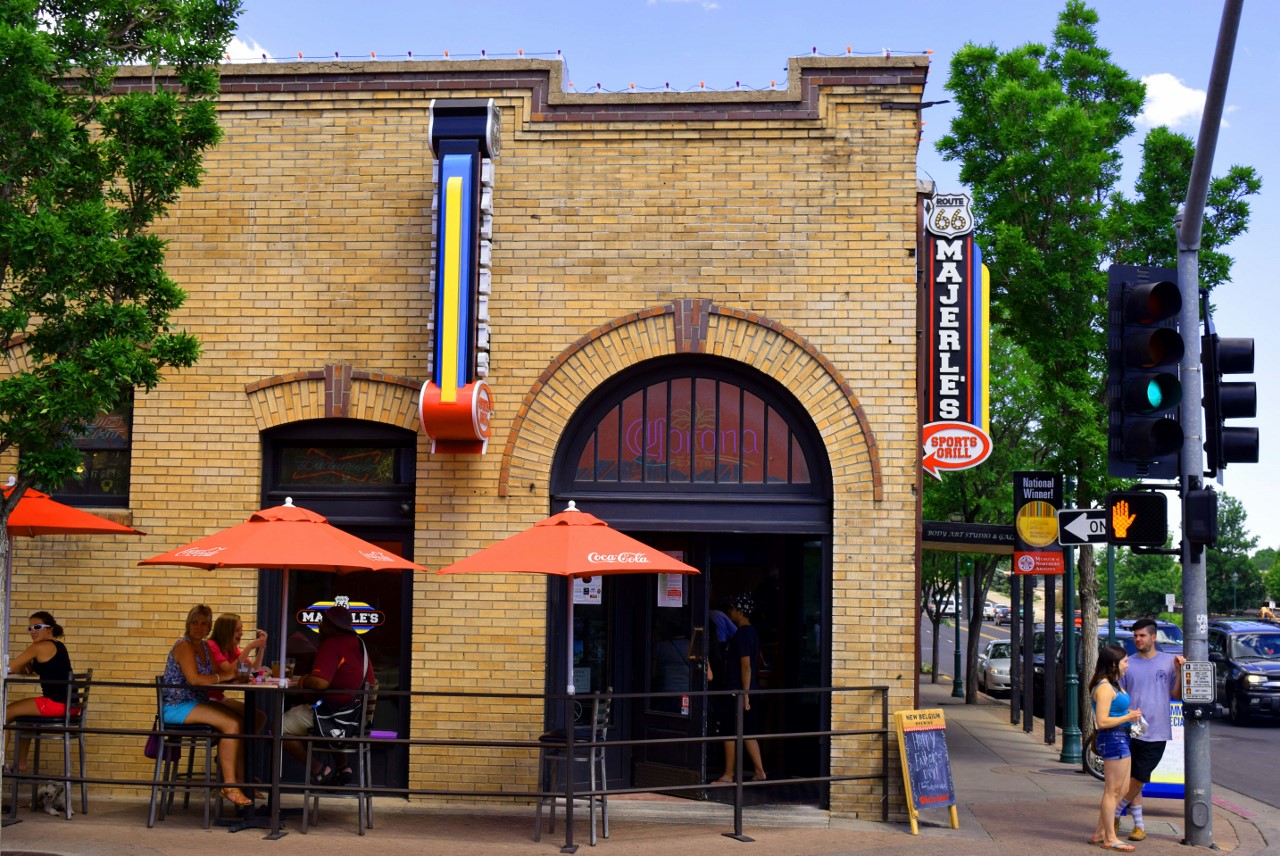
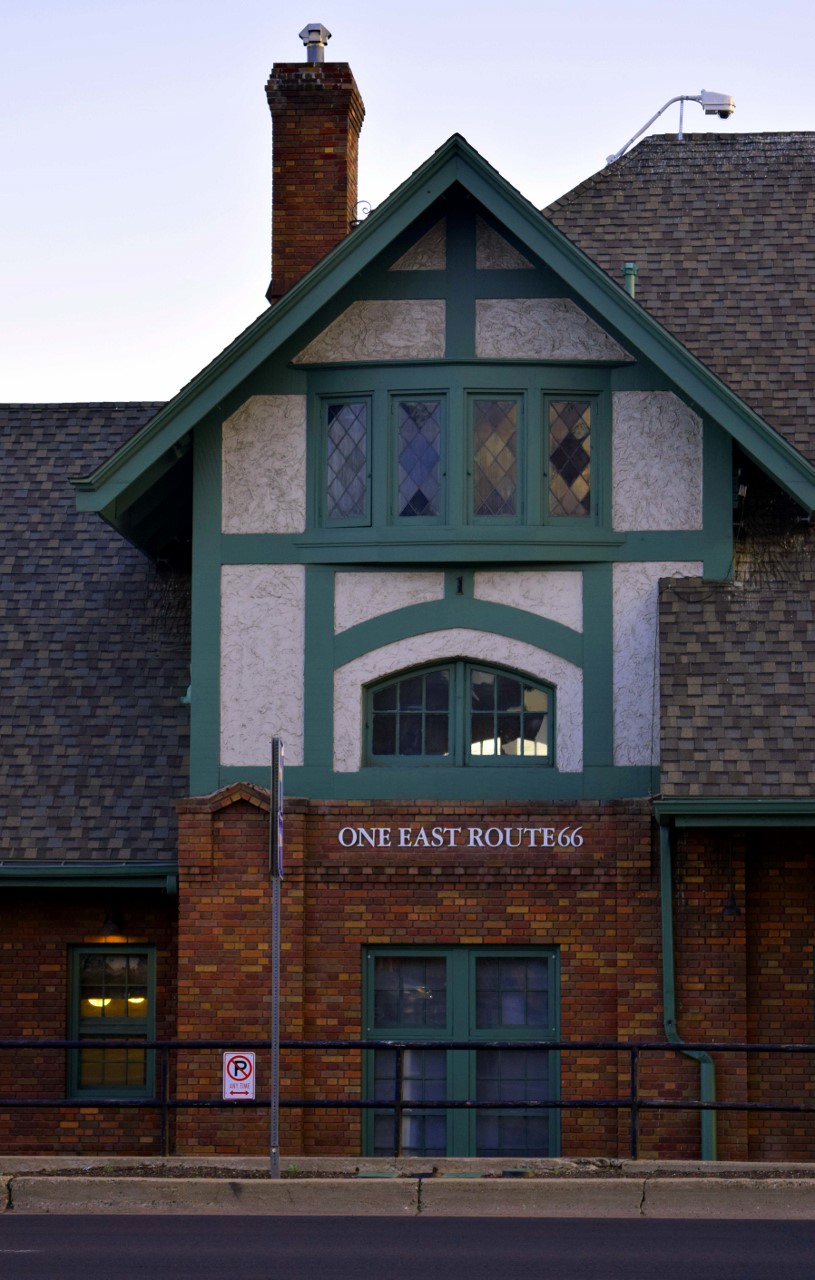
| FLAGSTAFF VISITOR CENTER ON ROUTE 66 |






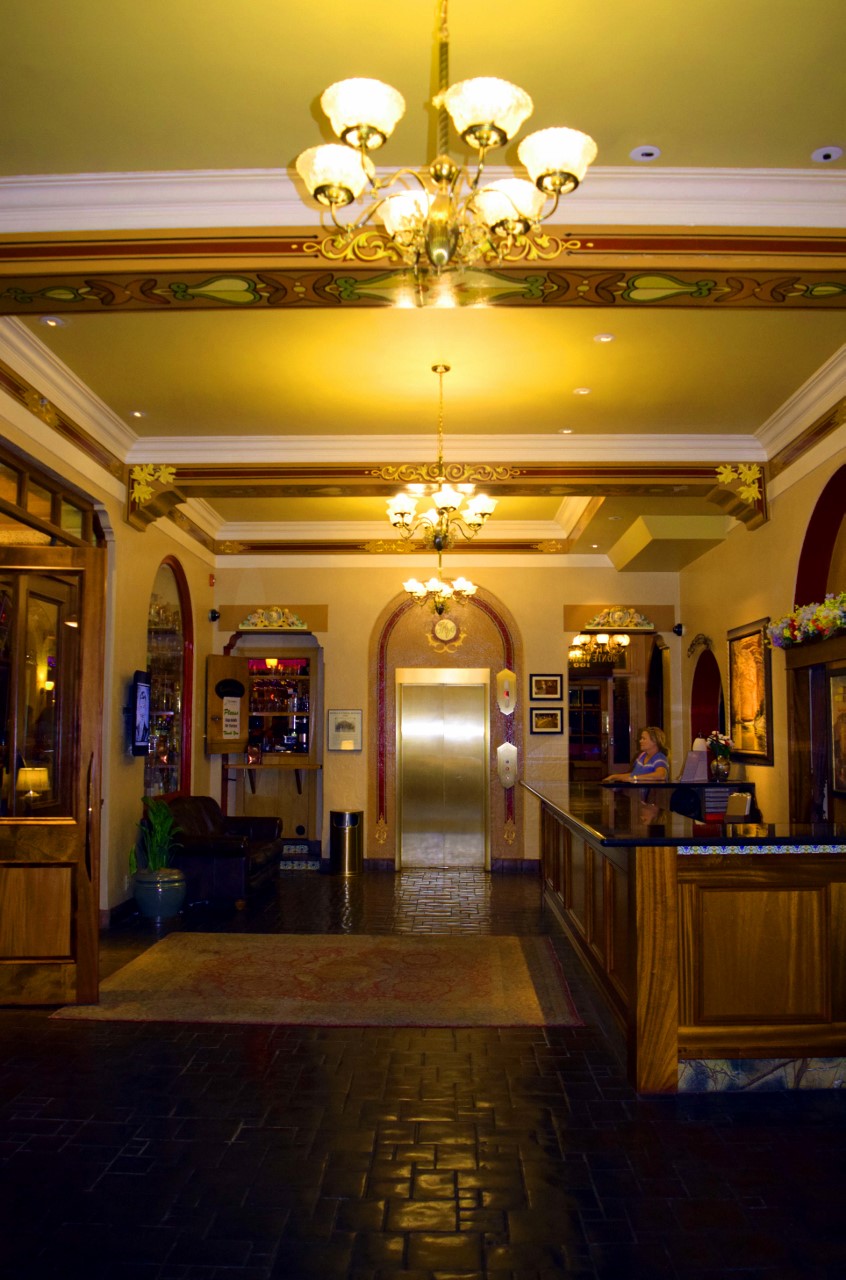
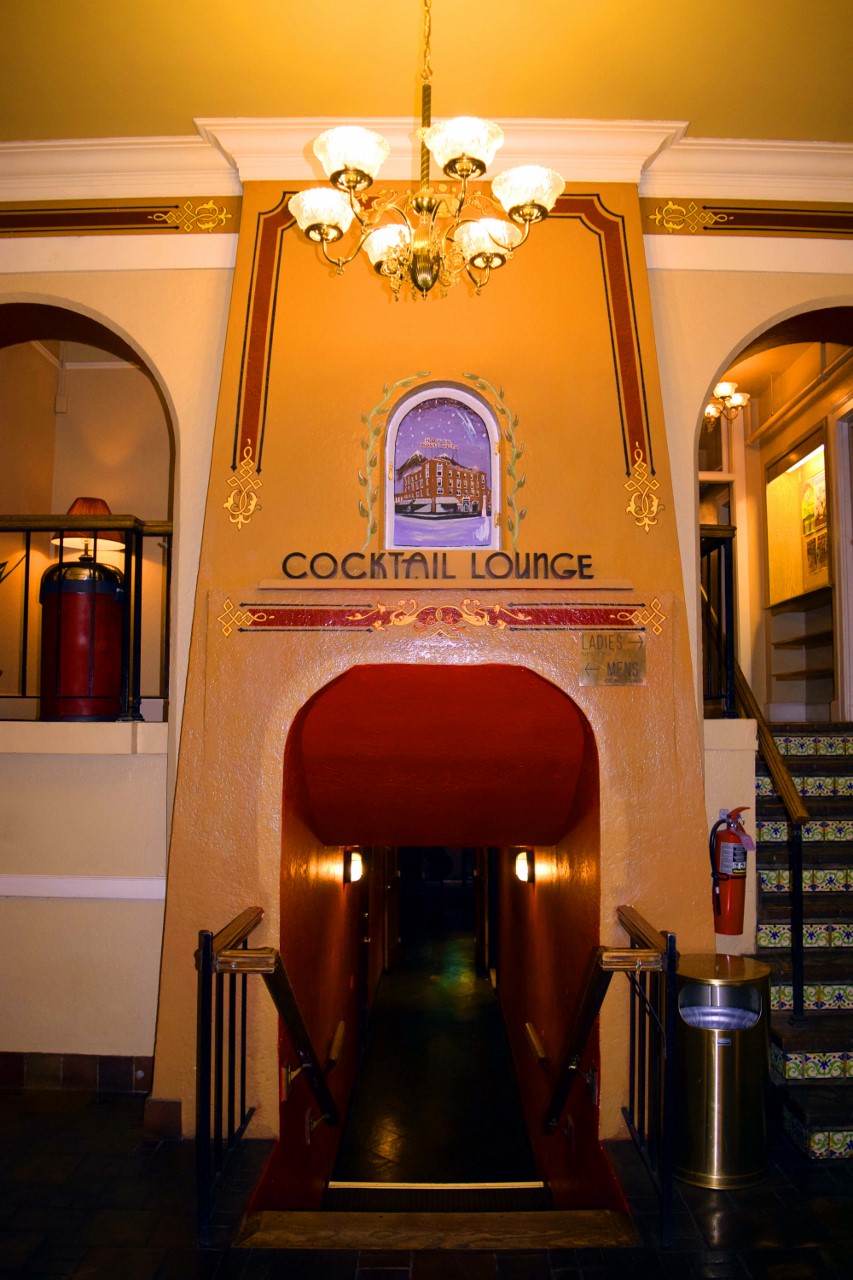
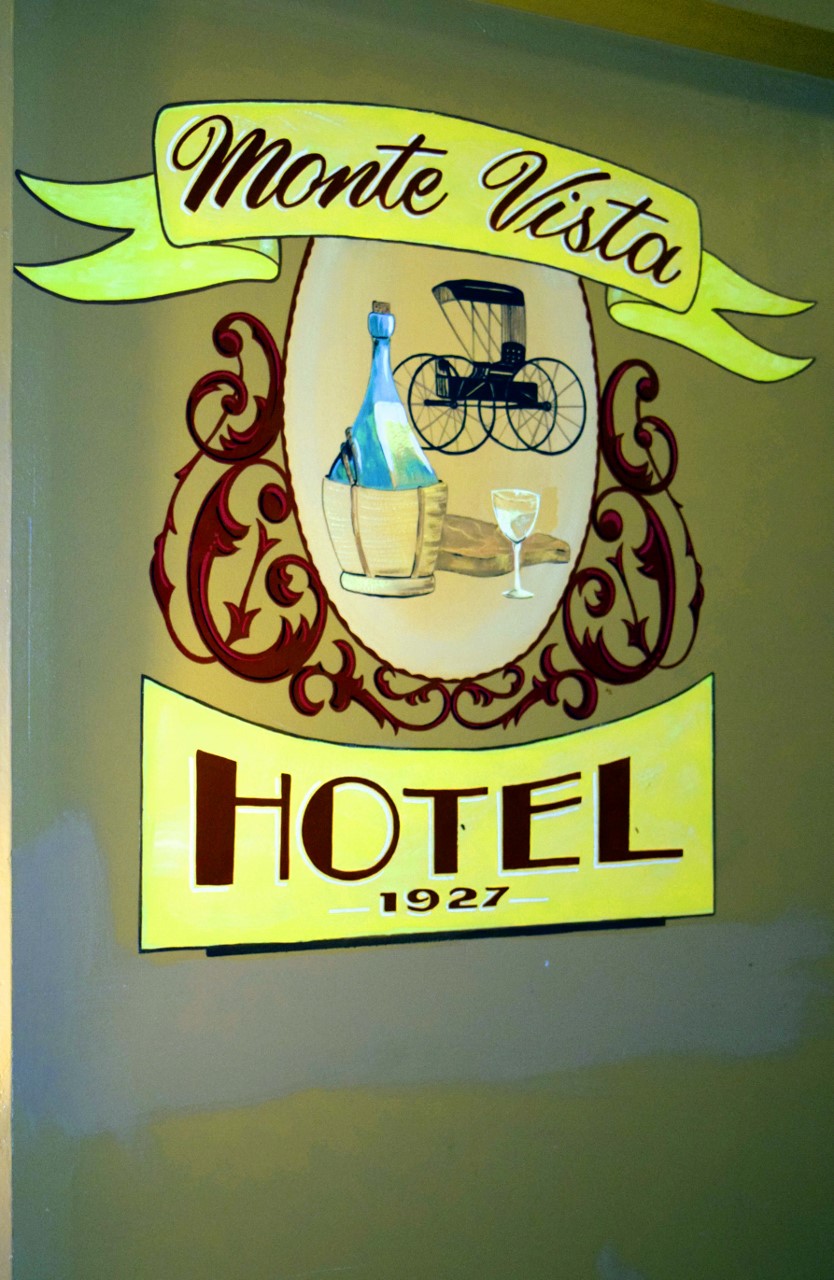
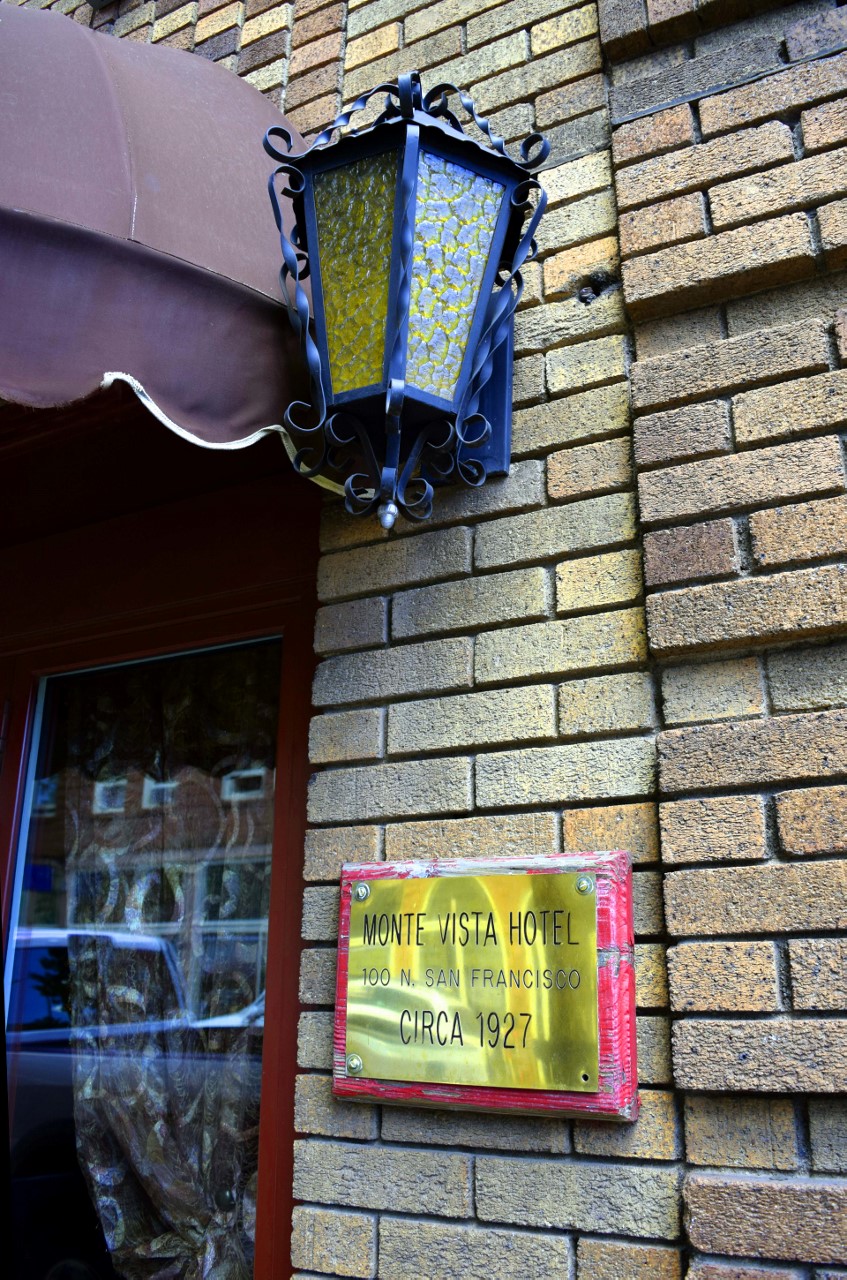
| HOTEL MONTE VISTA |


| BABY ROO |